The Rise of Eco-Friendly Textiles: Shaping the Future of Sustainable Fashion
The textile industry is undergoing a profound transformation, driven by the urgent need to address environmental challenges and meet consumer demand for sustainable products. Eco-friendly textiles are at the forefront of this shift, offering innovative solutions to reduce the industry’s environmental footprint.
Innovative Eco-Friendly Fabrics
Piñatex: A leather alternative created from pineapple leaf fibers, offering a cruelty-free and low-impact option.
Mycelium Leather: Grown from the root system of fungi, mycelium leather is a biodegradable, customizable material that requires fewer resources than animal leather.
Spider Silk: Bioengineered spider silk proteins, such as Microsilk, provide a soft yet resilient fiber with a lower carbon footprint than traditional silk farming.
Algae-Based Textiles: Kelp-derived bio-yarns from companies like AlgiKnit offer a renewable source material that decomposes naturally, reducing textile waste.
Lab-Grown Cotton: Cellular agriculture is being explored to cultivate cotton cells in a lab, eliminating the need for land, pesticides, and water-intensive farming.
Sustainable Fiber Solutions
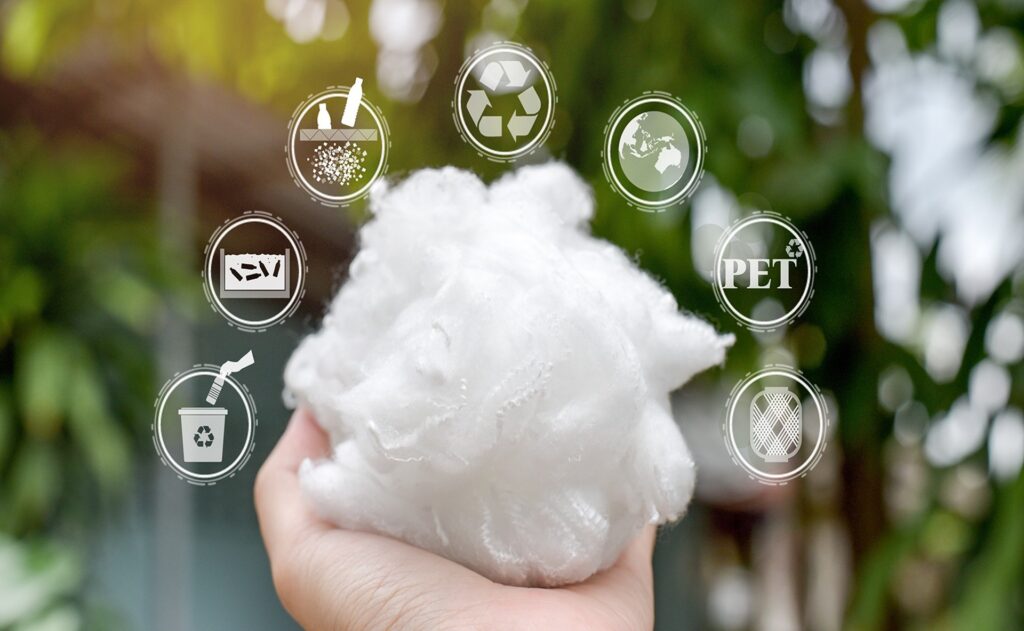
Recycled synthetic fibers, such as REPREVE, SEAQUAL, and ECONYL, divert plastic waste from landfills and oceans, reducing demand for fossil fuels. Biodegradable polyesters with embedded breakdown points allow microbes to break down the fibers in landfill conditions within a few years.
Organic and rapidly renewable fibers like organic cotton, hemp, and bamboo are gaining popularity due to their lower environmental impact during cultivation. Biotechnology and biomimicry are driving further innovation, leading to novel sustainable textiles like spider silk proteins and mycelium-based leather substitutes.
The Future of Sustainable Textiles
As the textile industry embraces sustainability, advancements in digitalization and smart textiles are set to revolutionize the sector. Piezoelectric textiles that generate electrical energy through mechanical stress could enable self-powering wearable devices. Blockchain technology provides traceability and transparency, allowing consumers to make informed choices.
Circular economy principles are being implemented to reduce waste and promote sustainability throughout the textile supply chain. Innovative companies like Circulose are developing fabrics made from 100% textile waste, while Vegea is creating leather alternatives from grape leftovers.
Conclusion
The future of sustainable textiles is bright, with a growing array of eco-friendly fabrics and innovative solutions to address the industry’s environmental impact. As consumer demand for sustainability continues to rise, it is up to fashion brands to prioritize these sustainable alternatives over conventional materials. By embracing innovation and circular economy principles, the textile industry can reduce its carbon footprint and create a more sustainable future for fashion